Websites & Digital Presence
A website that does more than exist.
Your website, Google presence, forms, booking, business email, and customer-facing information should work together. I help make the business clear online and keep the technical pieces from becoming another job for you.
Where I Help
Start with the problem, not the software.
The website is outdated
Services changed, contact information moved, old photos linger, links break, and nobody wants to touch the site.
Customers cannot tell what to do
The business may look good online but the path to call, book, request a quote, buy, or contact you is unclear.
Google and the website disagree
Hours, services, locations, phone numbers, or business information are inconsistent across the places customers actually check.
The site needs more than pages
Booking, forms, intake, payments, email, analytics, or other customer-facing tools need to work with the website instead of beside it.
Real Website Work
Different businesses need different customer paths.
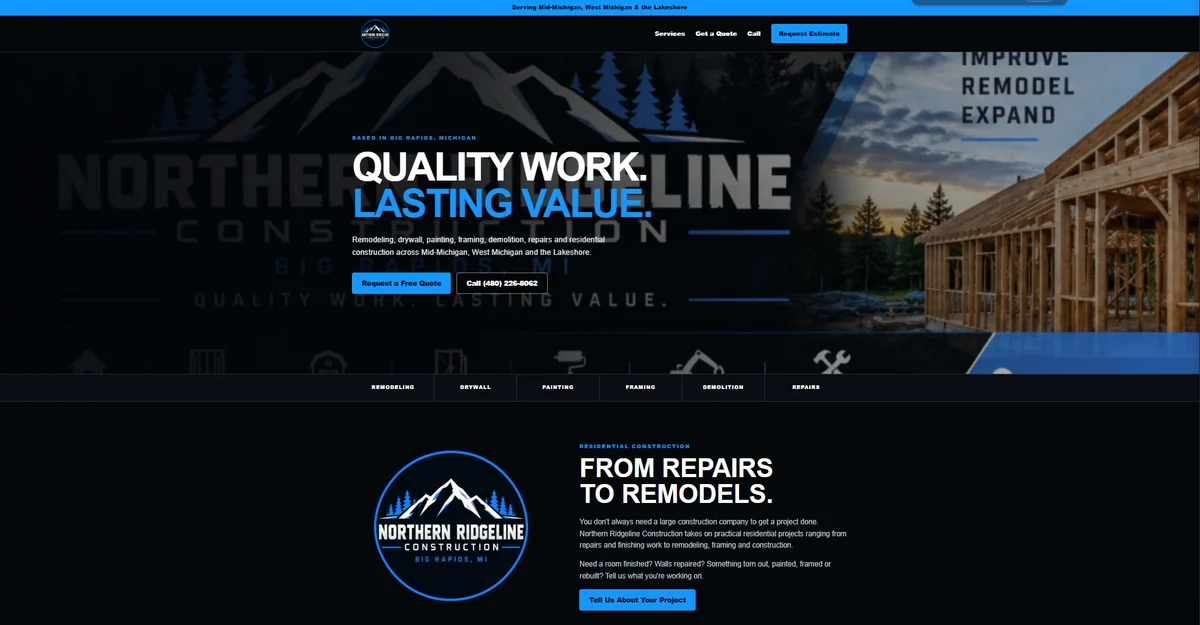
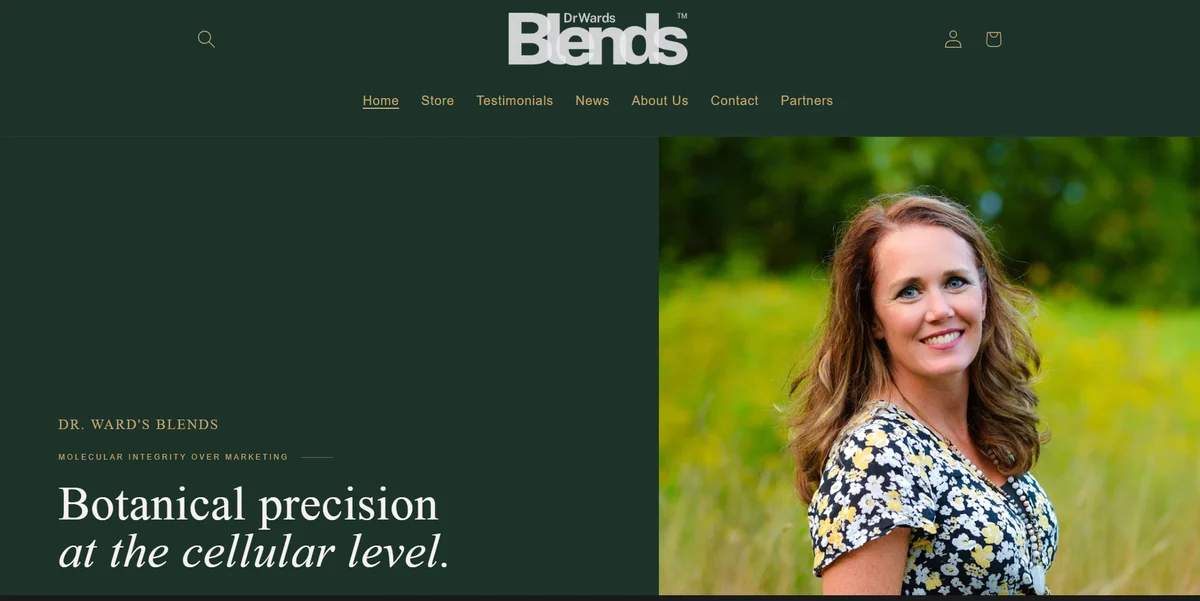
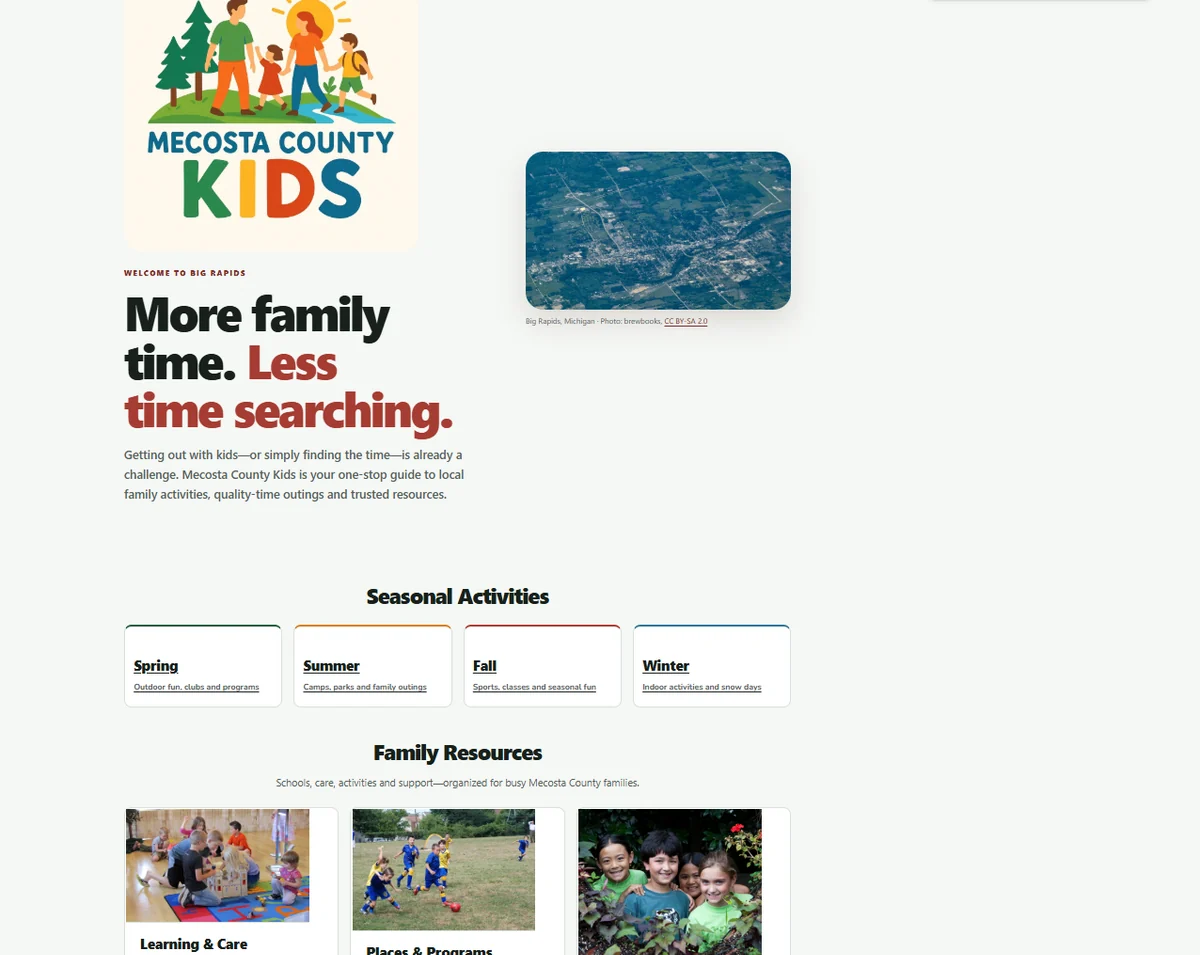
What Better Looks Like
Useful technology should make the business easier to run.
Clearer first impressions
People can quickly understand what you do, who you help, and what they should do next.
Less upkeep on your plate
Routine website maintenance and changes do not become another owner task.
Stronger customer paths
Calls, quote requests, bookings, forms, and other actions are intentional rather than buried.
A connected presence
Website, Google Business Profile, business email, forms, booking, domains, and analytics can work as one system.
What This Can Include
Built around what your business actually needs.
Managed websites
Professional websites built and maintained for owners who do not want to become website administrators.
Existing-site help
Repairs, updates, redesign support, migrations, forms, and troubleshooting on other platforms when access allows.
Google Business Profile
Business information, services, hours, photos, and profile upkeep that match the real business.
Booking & forms
Scheduling, quote requests, lead capture, intake, file collection, and clear next steps.
SEO foundations
Useful service pages, local relevance, metadata, technical basics, and search-friendly structure.
Domain & business email
Domains, DNS, SSL, Google Workspace business email, and the pieces customers never see until something breaks.
Websites & Digital Presence FAQ
What a managed online presence can cover.
Do I have to manage the website myself?
No. The point of managed website support is that you do not have to become the person responsible for hosting, routine maintenance, technical upkeep, and every small update.
Can you work on a website I already have?
Sometimes. It depends on the platform, account access, current setup, and what needs to change. I will tell you whether it makes more sense to repair, improve, migrate, or rebuild.
Can you connect booking and forms?
Yes. Booking, quote requests, contact forms, lead capture, intake, and other customer actions can be connected to the website when the tools support it.
Do you help with Google Business Profile?
Yes. That can include keeping business information, services, hours, photos, and website details consistent with the real business.
Do you handle domains, DNS, SSL, and business email?
Yes. Those pieces are often part of making the site dependable and keeping customer-facing systems connected correctly.
Why not just use AI to build my website?
You can. AI is useful for drafts, ideas, page structure, and getting something started quickly. The problem is that a website can look finished before the important parts are actually right.
AI does not automatically know which services deserve their own pages, what customers need to see first, how your forms and booking should work, whether your domain and DNS are configured correctly, what information should be consistent with Google, or what will still need maintenance six months from now. I use AI where it saves time, but I do not treat it as a substitute for understanding the business and building the site around what customers actually need.
What are the downsides of DIY website builders?
Builders such as Wix, Squarespace, Shopify, and similar platforms can be perfectly good tools. The downside is that it is easy to spend a lot of time choosing templates, rearranging sections, installing apps, fixing mobile layouts, connecting forms, working through domain settings, and trying to make everything work together.
The builder is only one piece. You still have to decide what the site should say, how customers should move through it, what integrations are necessary, how search and local information are handled, and who keeps it current. For some owners, doing that themselves makes sense. For others, the real cost is the time they stop spending on the business itself.
Will you sell me more pages than I need?
No. A useful smaller website is better than a large site filled with pages that do not help customers understand, trust, or contact the business.
Not sure which service fits?